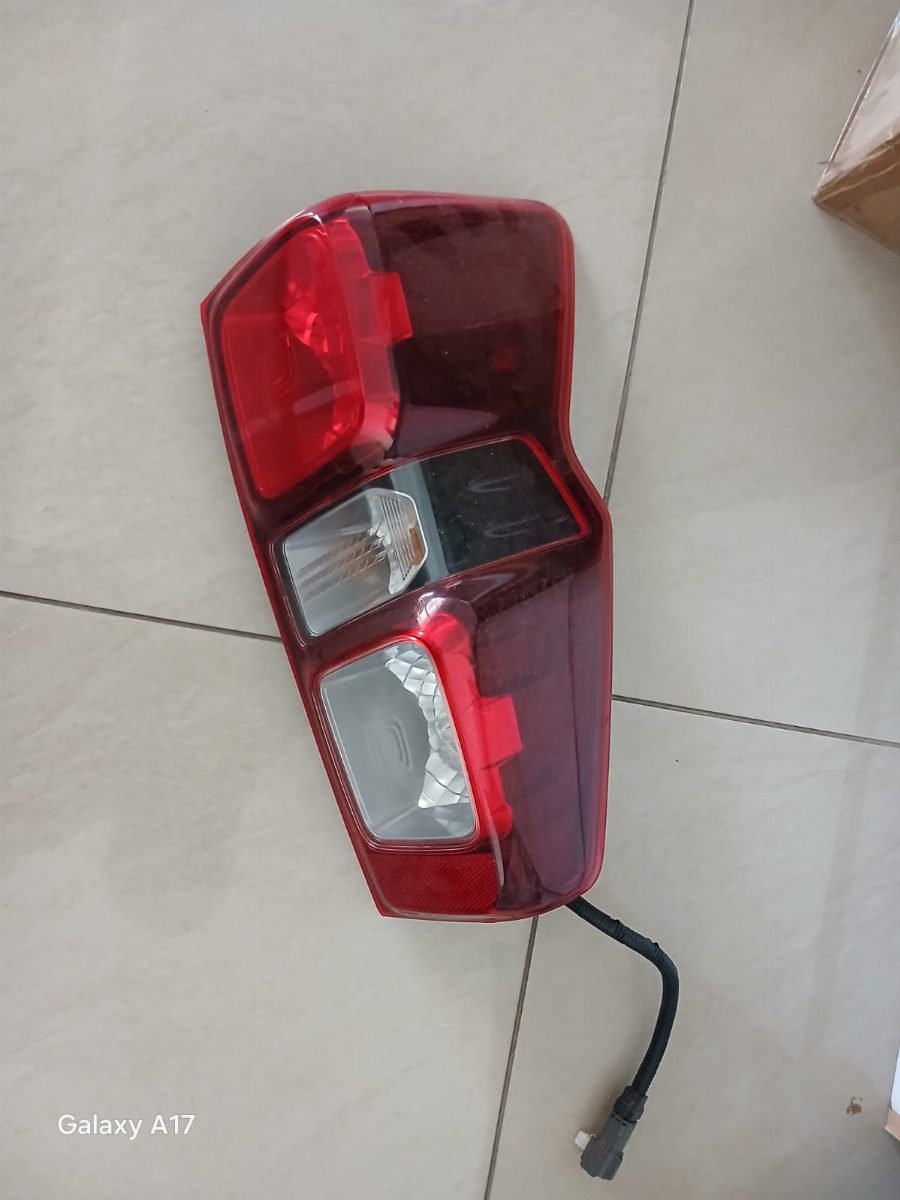
KwaZulu-Natal is the second-densest used-parts market in the country after Gauteng. Durban's southern industrial belt (Umbilo, Jacobs, Sydney Road and out toward Pinetown) holds a heavy concentration of scrapyards and parts dealers, and Pietermaritzburg adds a second, smaller hub up the hill. Between the two, most common parts for the high-volume cars can be found locally without much phoning around.
Salt, humidity, and what it means for buying
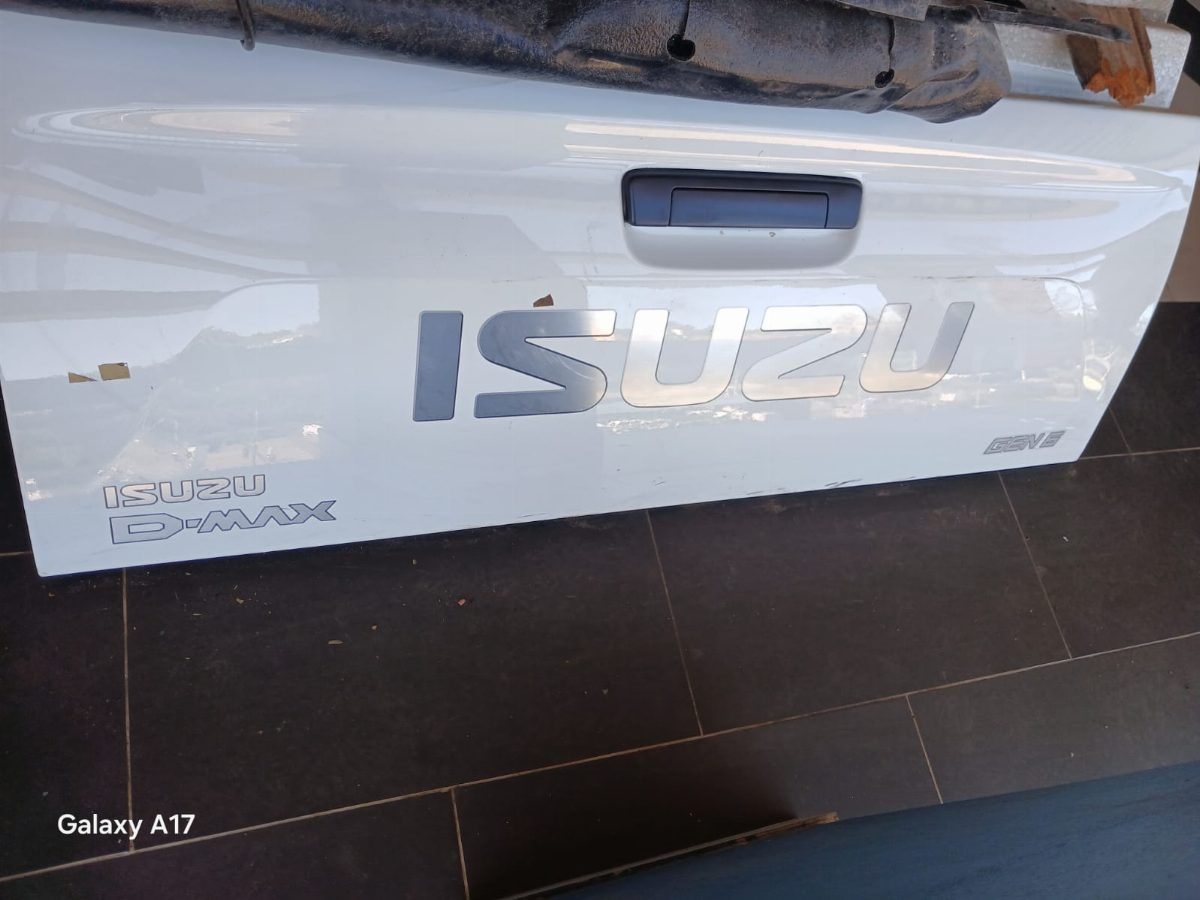
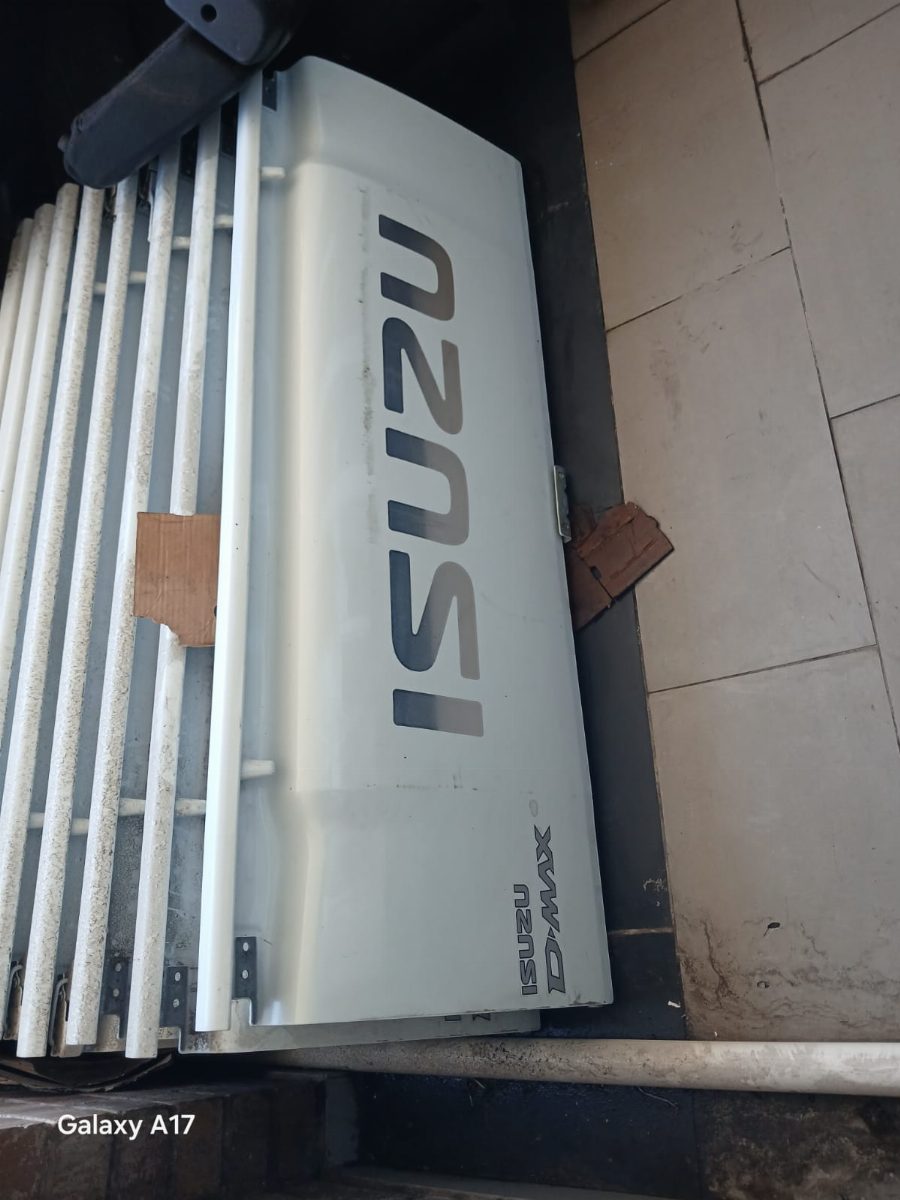
KZN is the hardest province in South Africa on car bodies. Durban's combination of salt air and year-round humidity corrodes panels, underbodies and electrical connections faster than anywhere else. A ten-year-old Durban car often carries rust a twenty-year-old Gauteng car doesn't. For a parts buyer this cuts two ways. Local yards have plenty of stock, but panels, doors and tailgates off coastal donor cars need careful inspection: check inside seams, along bottom door folds and around bolt holes, not just the painted face. Electrical parts deserve the same suspicion: corroded connector pins and earth points are a coastal speciality. This is why KZN buyers often specifically request panels sourced from inland provinces, and it's a request we handle all the time: a rust-free Gauteng door plus courier is frequently the better buy than a local one that looks fine in a photo.
What KZN driving does to cars
The N3 between Durban and Gauteng is the busiest freight corridor in the country, and the climb from the coast to the escarpment (Field's Hill, Town Hill, Van Reenen) is brutal on brakes, clutches and cooling systems for anything loaded. Brake boosters, calipers and clutch parts for bakkies and trucks move steadily here. KZN also runs one of the biggest taxi economies in the country, so Quantum and Hiace engines, gearboxes and sliding-door hardware are in constant demand, and the hilly terrain means those taxis work their drivetrains harder than flat-country ones do. Inland, the sugar and timber belts keep working bakkies (Hilux, Isuzu, older Nissans) in service long past retirement age, which keeps demand alive for older-model parts.
How Kasi Spares works here
We source nationwide, not just from the Durban yards. For mechanical parts, local stock is usually the fast answer. For body panels and electrical parts, we'll tell you honestly where the donor car lived, and if the better part is sitting in a dry province, we courier it down. Tell us the part and the VIN, and we WhatsApp you a price, usually within 24 hours.