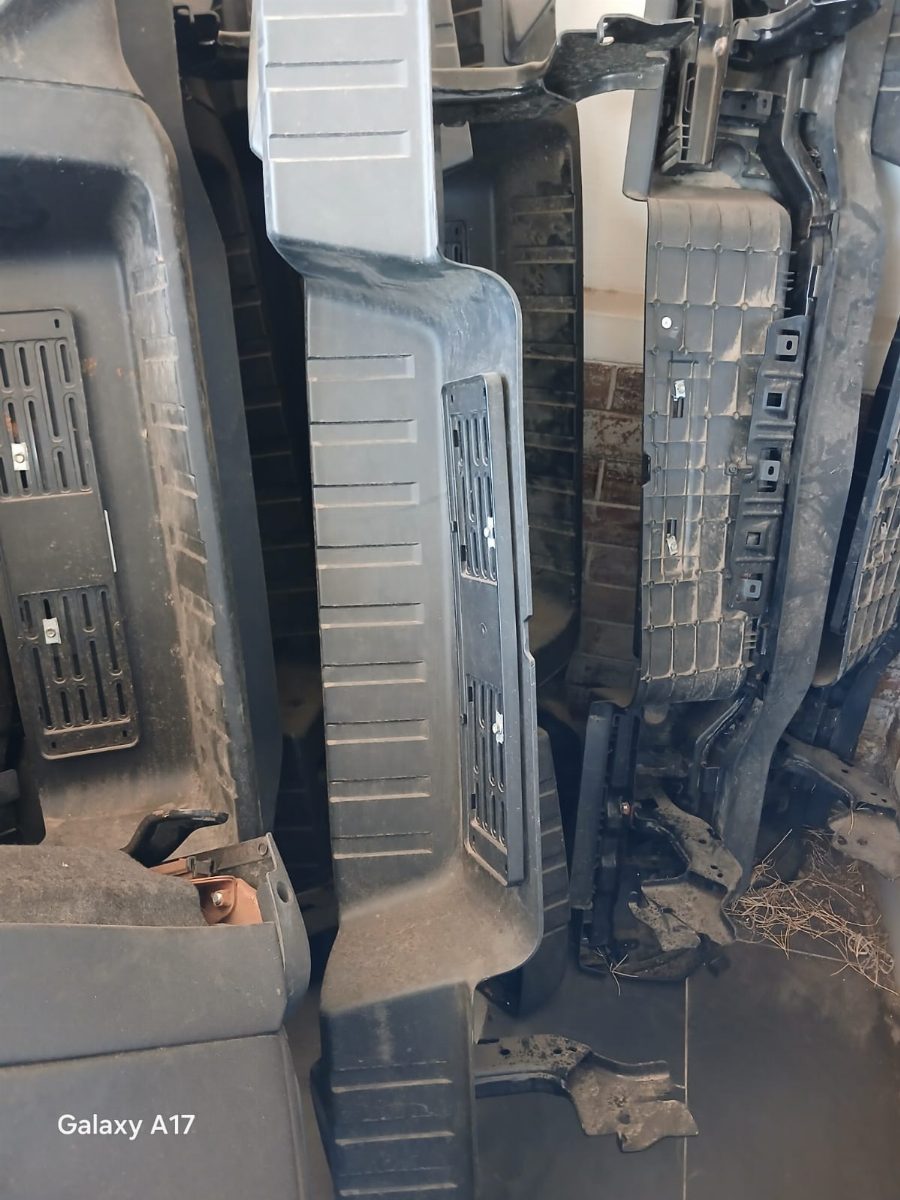
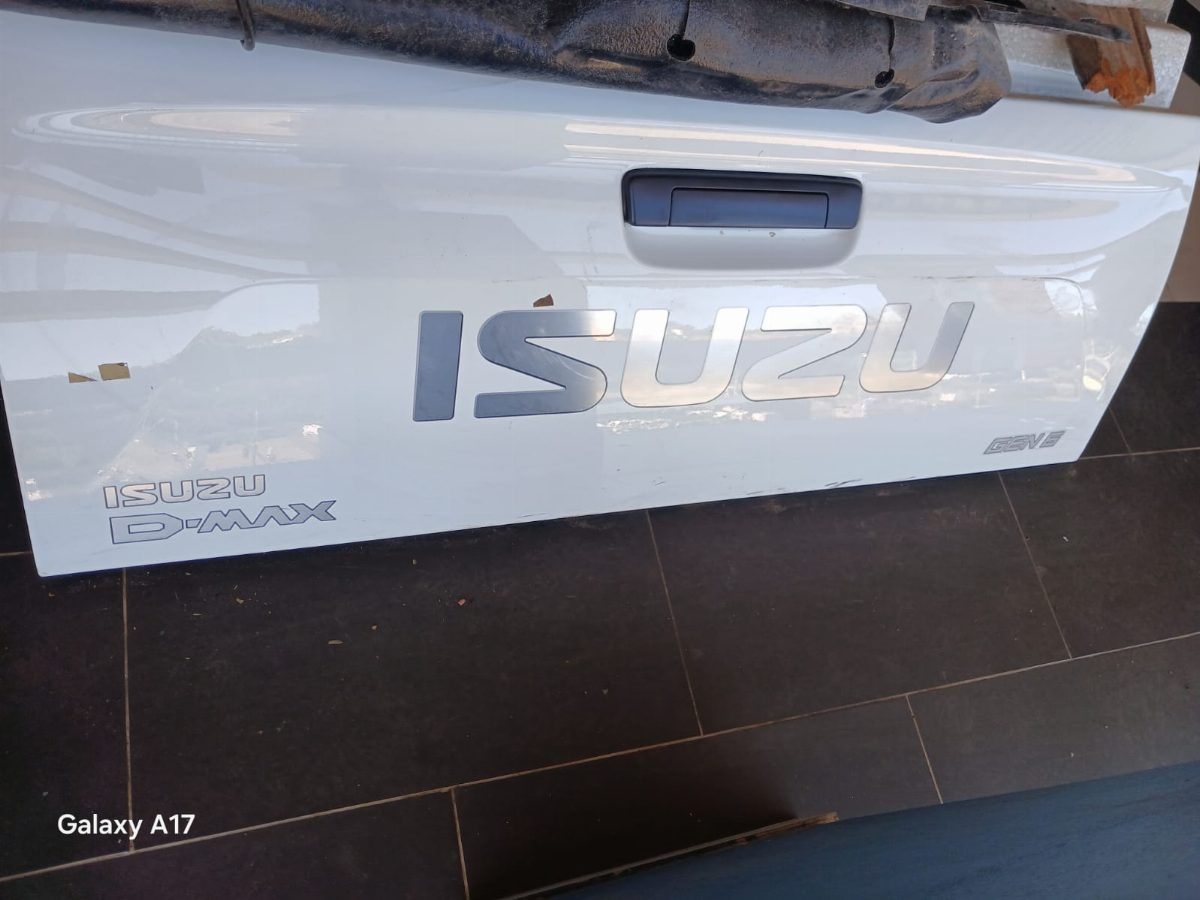
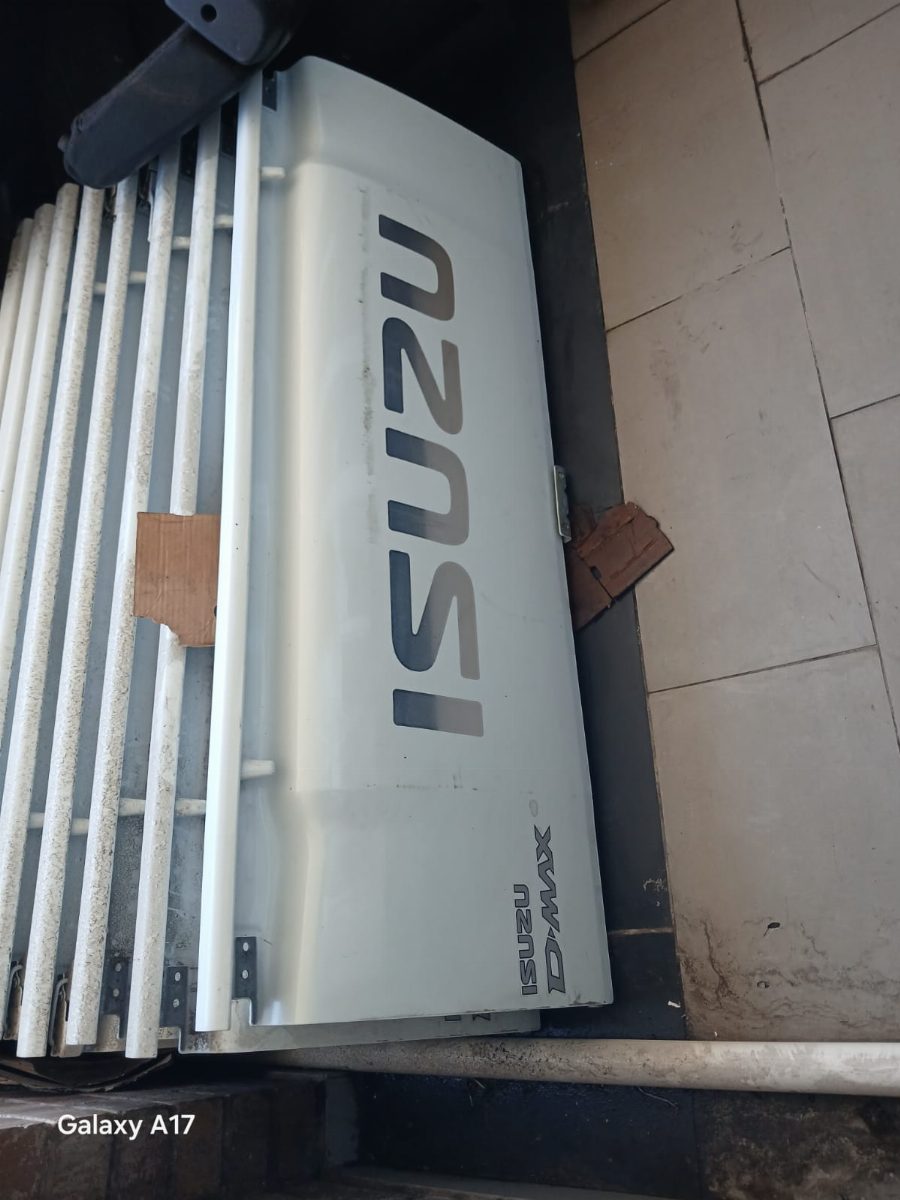
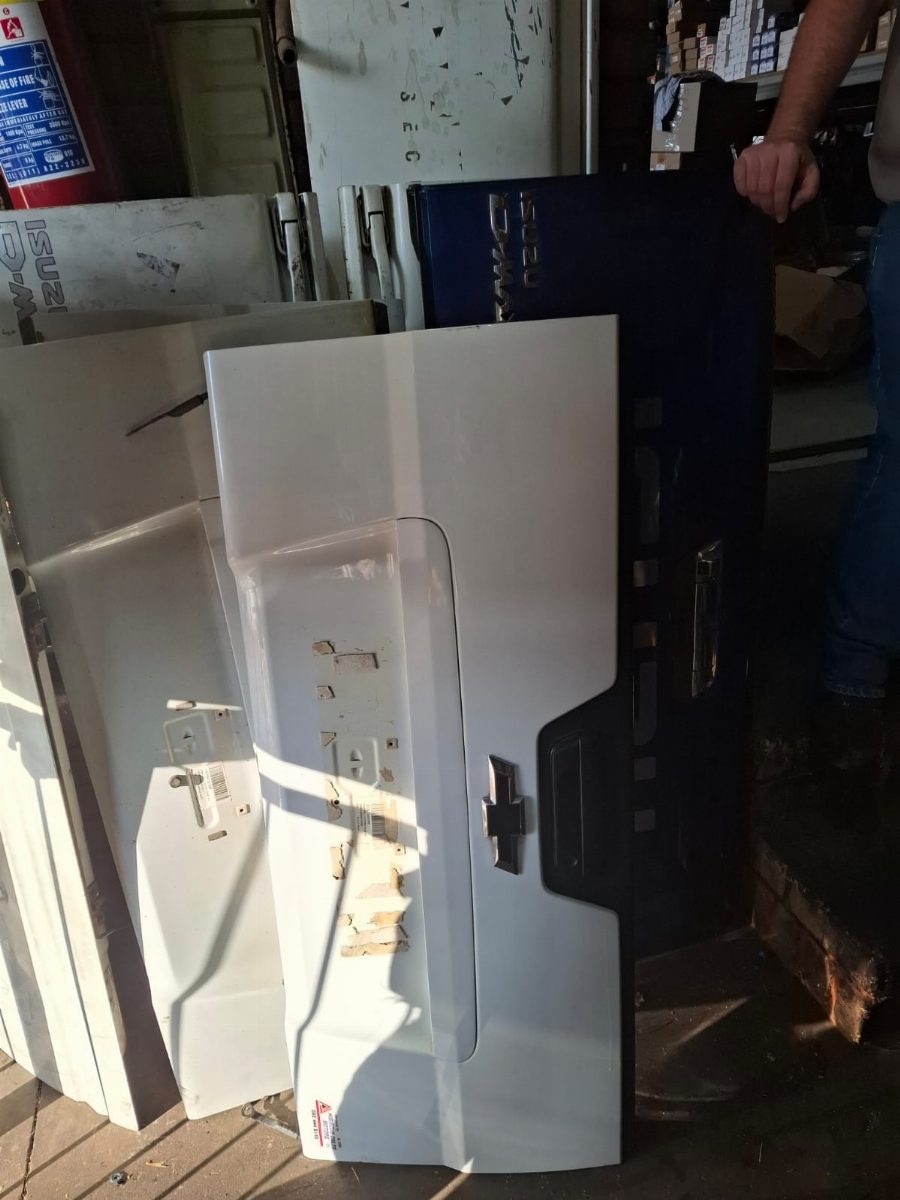
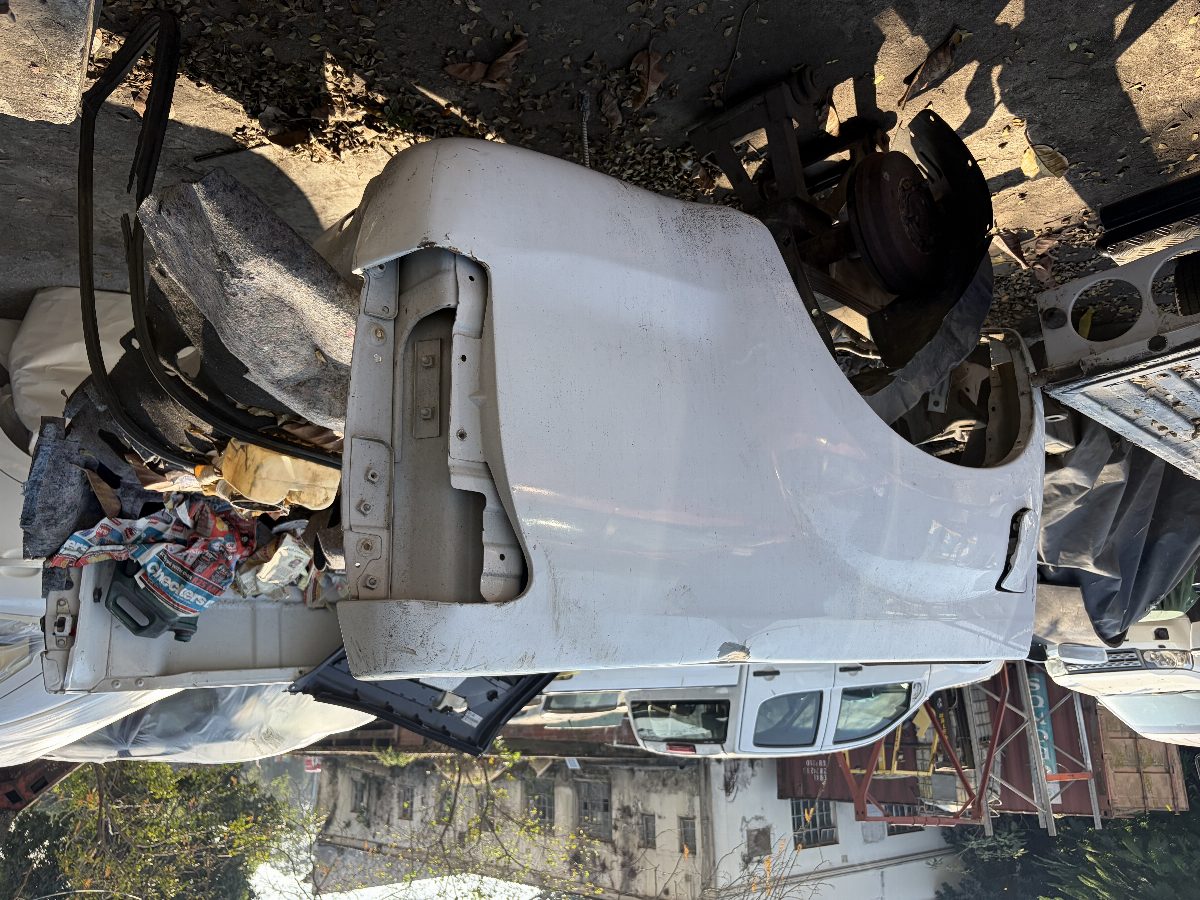
Fenders, bonnets, doors, bumpers, tailgates and grilles are the bread and butter of the scrapyard trade. Most panel buyers are fixing accident damage, often a minor bump where the insurance excess makes a claim pointless, and a straight second-hand panel plus a respray is usually half the price of new.
What's actually available
Panels are plentiful for anything sold in volume here: Polo and Polo Vivo, Toyota Corolla and Quest, Hilux, Ford Ranger and Fiesta, Nissan NP200, Isuzu bakkies, and Toyota Quantum. Front-end parts move fastest: fenders, bonnets and bumpers, because most accidents happen at the front. Bakkie tailgates and load-bin sides are steady sellers too, since they take a beating in work use. The catch with popular models is that high demand strips yards quickly, so a Vivo fender in the right condition can take some phoning around. That's the part-finder work we do.
What it costs
As a rough guide: a steel fender for a common hatch runs R500 to R2,000, a bonnet R1,500 to R5,000, a complete door (shell with glass, regulator and lock) R1,500 to R6,000, and a plastic bumper skin R800 to R4,000. Bakkie tailgates vary widely, from R1,500 for an older Hilux up to R6,000-plus for a late-model Ranger with a camera. Panels in the exact factory colour fetch more, but plan to respray anyway: even a perfect colour match will have faded differently to your car.
What to check before you buy
- **Run a magnet along the panel.** Where it stops pulling, there's body filler underneath. A skim of filler is normal on an older panel; a centimetre of it means the panel was badly hit and pulled back into shape. - **Look for overspray** on the inside face, around bolt holes and on rubber seals. Overspray means the panel was repaired and resprayed before, so check the repair quality, because you're inheriting it. - **Check the mounting points.** On steel panels, look for stretched or re-drilled bolt holes. On plastic bumpers, check every tab and clip mount. A bumper with snapped tabs never sits flush again, and glued tabs don't last on corrugated roads. - **Inspect the seams and bottom edges for rust.** Doors rot from the inside out along the bottom fold, and fenders rust where they meet the sill. Surface rust on a bare edge is fixable; bubbling under paint means it's already through the metal. - **Confirm the exact model year and facelift.** Manufacturers change bumpers, grilles and light cut-outs mid-generation. A pre-facelift Vivo bumper will not fit a facelift car, and photos don't always make the difference obvious. Give us your VIN if you're unsure.
A note on coastal cars
Where the panel comes from matters. A panel off a Gauteng car has usually lived a dry life; one off a Durban or coastal car may look clean but carry salt-air corrosion starting inside the seams. It's worth asking the yard where the donor vehicle spent its life. A good yard will tell you. Inland cars that have done years of gravel roads show it differently: sandblasted leading edges on bonnets and fenders, which is cosmetic and respray-friendly rather than structural.